
Understanding Gingivitis and How To Avoid It
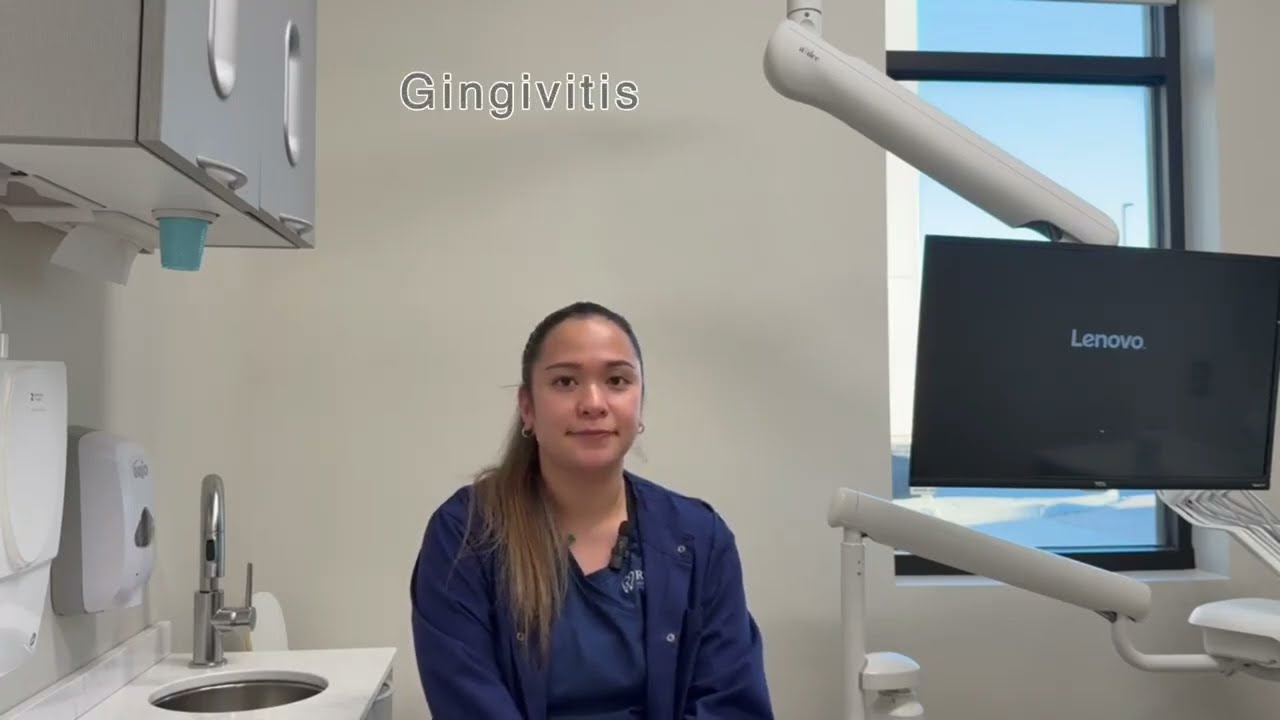
Jamelle, Registered Dental Hygienist
What is gingivitis?
Gingivitis is defined as the inflammation of the gums.
How different is it from parodontitis?
Parodontitis is more commonly known as gum disease, which is essentially defined as gum and bone loss. Gingivitis doesn't always turn into parodontitis, but it could.
What are the first symptoms of gingivitis?
The first symptoms of gingivitis are mostly when you notice your gums bleeding, along with soreness in some spots whenever you're brushing and flossing.
How dangerous is gingivitis?
Gingivitis is still reversible, which is a good thing because gums are very resilient. If you're diligent about taking care of your teeth and gums by brushing and flossing regularly, you could reverse it and restore your gums to health.
However, it doesn't always progress to parodontitis, but once it does, that is what becomes dangerous because once you lose gum and bone attachment, unfortunately, you can't grow it back.
You can have gingivitis and parodontitis at the same time because gingivitis and parodontitis are defined in every site of your teeth. It could be generalized or localized. If you have localized parodontitis, that means you haven't really lost attachment all over like your gum and bone.
There could be sites where you have lost gum and bone, which would be considered parodontitis. So you have gum disease that's localized to some teeth, and you could still have some of your gums bleeding without any attachment loss. Yes, you could have gingivitis in some spots and parodontitis in others.
How do you treat gingivitis?
A way to treat gingivitis is to ensure that you are brushing and flossing regularly. You also have to make sure that you're reaching the right spots and brushing properly.
Sometimes you have to modify the way you brush to ensure that you're removing plaque in the right areas, as you're supposed to angle your toothbrush at 45° towards the gum line to ensure that all the plaque gets removed and nothing stays there long enough to irritate your gums.
With flossing, you have to make sure that you're flossing once a day, wrapping the floss around the tooth, and following the contour of the tooth. This helps reduce irritation so no plaque stays there long enough to irritate your gums. Mouthwashes also help, but they are more of an adjunct. If you're not a regular brusher or flosser, it doesn't do much for you.
Brushing twice a day, flossing every day, and occasionally using a mouthwash if you have some irritations would help in terms of reducing or completely getting rid of gingivitis.
At Renew Dental, you come first. Whether you need dental care or simply have questions, call us at (204) 817-6768 or email [email protected] to schedule your visit. Our team is here to help you every step of the way.
Request an Appointment