
Children’s smiles change quickly, but one thing stays the same: healthy teeth and gums are essential for eating, speaking, and overall well-being. Baby teeth may be temporary, yet they play a lasting role in your child’s development. When dental concerns are identified early, they are often easier to manage and less likely to affect permanent teeth.
Understanding the most common dental problems in children allows parents to take proactive steps at home and seek timely professional care. Below, we’ll walk through the issues we see most often in pediatric dentistry and what you can do to protect your child’s smile.
Tooth Decay and Cavities in Children
Tooth decay is the most common chronic disease of childhood. Cavities form when bacteria in the mouth feed on sugars and produce acids that weaken tooth enamel. Over time, this can lead to small holes in the teeth known as cavities.
Primary (baby) teeth have thinner enamel than permanent teeth, which means decay can spread more quickly once it begins. According to the Centers for Disease Control and Prevention (CDC), more than half of children ages 6 to 8 have had at least one cavity in their primary teeth. Untreated cavities can lead to pain, infection, difficulty eating, and missed school days.
Common Risk Factors for Childhood Cavities
- Frequent consumption of sugary drinks and snacks
- Inadequate brushing and flossing
- Going to bed with a bottle containing milk or juice
- Irregular dental visits
Establishing daily brushing with fluoride toothpaste, flossing once teeth touch, and scheduling routine dental checkups are key steps in cavity prevention. Fluoride strengthens enamel and helps reduce the risk of decay when used appropriately.
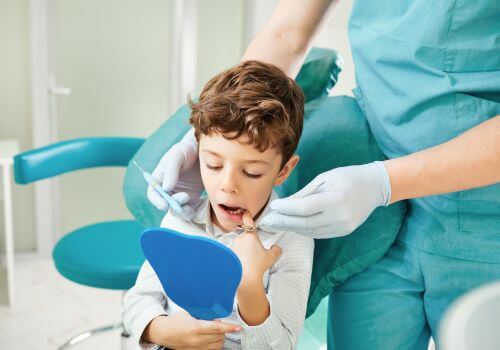
Misaligned Teeth and Bite Problems
It is common for children’s teeth to look slightly uneven as they grow. However, certain habits and developmental factors can contribute to more significant alignment issues. Misaligned teeth, crowding, and bite problems such as overbite or crossbite may affect chewing, speech, and long-term oral health.
Thumb sucking and prolonged pacifier use can influence how teeth and jaws develop, especially if the habit continues after permanent teeth begin to erupt. Other habits, such as tongue thrusting or lip sucking, may also contribute to changes in bite alignment over time.
When Should You Be Concerned About Your Child Sucking Their Thumb?
Many children naturally stop thumb sucking between the ages of 2 and 4. If the habit continues beyond age 5 or once permanent teeth appear, it is a good idea to discuss it with your dentist. Early evaluation allows us to monitor jaw growth and determine whether orthodontic guidance may be beneficial later.
Early orthodontic assessments, typically around age 7, help identify developing concerns while the jaw is still growing. Not every child needs braces, but monitoring growth patterns allows for timely recommendations if needed.
Early Tooth Loss and Why It Matters
Baby teeth are meant to fall out gradually to make room for permanent teeth. However, when a primary tooth is lost prematurely due to decay, trauma, or infection, it can cause spacing problems.
Each baby tooth acts as a placeholder for the adult tooth developing beneath it. If a tooth is lost prematurely, neighboring teeth may shift into the space left by the missing tooth. This movement can reduce the room available for the permanent tooth, potentially leading to crowding or misalignment.
Common Causes of Premature Tooth Loss
- Advanced tooth decay
- Dental injury or trauma
- Untreated infection
In some cases, a space maintainer may be recommended to preserve proper spacing until the permanent tooth erupts. The goal is to support normal development and minimize the need for more complex orthodontic treatment later.
Gum Disease (Gingivitis) in Children
Gum disease is not limited to adults. Children can develop gingivitis, the earliest stage of gum disease, when plaque accumulates along the gumline. Plaque is a sticky film of bacteria that forms on teeth daily. If it is not removed through brushing and flossing, it can irritate the gums.
Signs of gingivitis may include red, swollen gums that bleed easily during brushing or flossing. At this stage, the condition is typically reversible with improved oral hygiene and professional cleanings.
If gum inflammation is left untreated, it can progress and affect the tissues and bone that support the teeth. That is why early attention to bleeding gums should never be ignored, even in children.
Other Common Pediatric Dental Concerns
In addition to cavities and alignment issues, we often see a few other dental problems in children. These concerns may not always cause pain right away, which is why routine exams are so important.
Dental Injuries
Active children are prone to falls and sports-related injuries. Chipped, cracked, or knocked-out teeth can occur during play. A prompt dental evaluation helps determine the appropriate treatment and may increase the likelihood of saving an injured tooth.
Enamel Defects
Some children develop areas of weak or discolored enamel. These areas may be more vulnerable to decay and sensitivity. Your dentist can monitor affected teeth and recommend protective treatments if needed.
How to Protect Your Child’s Smile
Preventive dental care is one of the most effective ways to reduce the risk of common dental problems in children. Establishing healthy habits early supports both primary and permanent teeth.
Here are some steps that make a meaningful difference:
- Brush twice daily with a fluoride toothpaste appropriate for your child’s age
- Floss once daily once teeth begin touching
- Limit sugary snacks and beverages
- Encourage water between meals
- Schedule dental checkups and professional cleanings every six months
Regular visits allow us to detect concerns early, provide preventive treatments such as fluoride applications or sealants when appropriate, and guide parents through each stage of dental development.
Healthy baby teeth contribute to proper speech development, nutrition, and self-confidence. They also help guide permanent teeth into place. While children may outgrow certain habits, they do not outgrow the need for attentive oral care.
By staying consistent with home hygiene and professional dental care, you can greatly reduce your child’s risk of cavities, gum disease, and alignment issues. A proactive approach today supports a lifetime of healthier smiles.
Related Dental Services at Renew Dental Winnipeg
- Family Dentist in Winnipeg in Winnipeg
- Dental Exam in Winnipeg
- Children's Preventative Care in Winnipeg
Ready to learn more? Contact our Winnipeg dental team or book an appointment online.