
After orthodontic treatment, your retainer plays a critical role in keeping your smile aligned. Whether you had braces or clear aligners, retainers help maintain the position of your teeth while the surrounding bone and tissues stabilize. Over time, however, retainers can wear out, lose their shape, or become less effective. Knowing when to replace your retainer can help protect your investment in your smile and prevent unwanted shifting.
Why Retainers Matter for Long-Term Smile Stability
Teeth are not fixed in place permanently, even after orthodontic treatment. They are supported by bones and ligaments that can gradually adapt and change. Without consistent retainer use, teeth may begin to move back toward their original positions, a process known as relapse.
Research has shown that some degree of tooth movement can occur over time if retainers are not worn as directed, which is why the American Association of Orthodontists considers ongoing retention a standard part of orthodontic care. A properly fitting retainer helps maintain alignment and protects the results you worked hard to achieve.
Common Signs It’s Time to Replace Your Retainer
Retainers are durable, but they are not designed to last forever. Daily wear, cleaning, and normal use can gradually affect their condition. Paying attention to changes in how your retainer looks and feels can help you recognize when it is time for a replacement. Here are a few signs that suggest you might need a new retainer.
Visible Wear and Damage
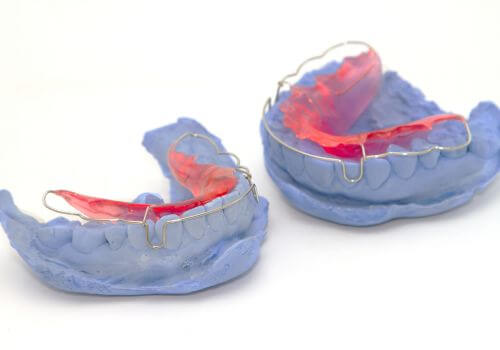
Cracks, chips, or warping are clear signs that a retainer may no longer function properly. Even small fractures can affect how well the appliance holds your teeth in place. If your retainer shows visible damage, it is best to have it evaluated promptly.
Loose or Poor Fit
A retainer should fit snugly and comfortably. If it feels loose or does not sit properly on your teeth, it may have lost its shape. In some cases, a poor fit may also indicate minor tooth movement, which should be assessed by your dentist or orthodontist.
Discomfort or Irritation
While a new retainer may take a short time to get used to, ongoing discomfort is not typical. Pain, pressure, or irritation can suggest that the retainer is damaged or no longer fitting as intended.
Persistent Odor or Taste
Retainers can accumulate bacteria over time, especially if they are not cleaned consistently. If an unpleasant odor or taste remains even after proper cleaning, the material may be breaking down and harboring buildup that cannot be fully removed.
Discoloration or Cloudiness
Clear retainers may become cloudy, yellowed, or stained with use. While some discoloration is cosmetic, it can also signal material wear. When appearance changes are combined with other issues, replacement may be recommended.
What Happens If You Don’t Replace a Worn Retainer?
Wearing a retainer that no longer fits correctly may not provide the support your teeth need. Over time, this can allow gradual shifting that may not be immediately noticeable but can affect your bite and alignment.
In some cases, untreated shifting may require additional orthodontic treatment to correct. Replacing a retainer when needed is a simple step that helps you avoid more complex care later on.
How Long Do Retainers Typically Last?
The lifespan of a retainer depends on the type, how often it is worn, and how well you care for it. Removable clear plastic retainers may last several months to a few years, while wire retainers can sometimes last longer with proper maintenance.
Even with excellent care, all retainers eventually experience wear. Regular dental visits allow your provider to check the condition and fit of your retainer and recommend replacement at the appropriate time.
Tips to Extend the Life of Your Retainer
While replacement is sometimes unavoidable, proper care helps extend the lifespan of your retainer and keep it functioning effectively.
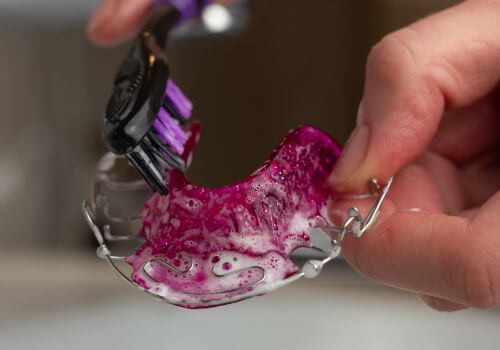
- Clean your retainer daily using a gentle, non-abrasive cleanser.
- Avoid exposing it to heat, which can warp the material.
- Store it in a protective case when not in use.
- Keep it away from pets, which may chew or damage it.
- Bring your retainer to dental appointments for routine checks.
When to Contact Your Dental Provider
If you notice any changes in your retainer’s fit, comfort, or appearance, it is a good idea to schedule an evaluation. Your dental provider can determine whether an adjustment or full replacement is needed.
Prompt attention to retainer issues helps maintain your alignment and supports long-term oral health. Staying proactive can make a meaningful difference in preserving your smile.
Protecting Your Smile for the Future
Your retainer is a key part of maintaining the results of orthodontic treatment. While it may seem like a small appliance, it plays an important role in keeping your teeth aligned and your bite stable.
Recognizing the signs of wear and replacing your retainer when needed helps ensure that your smile stays healthy and consistent over time. If you ever have questions about your retainer or how to care for it, your dental team is there to guide you.
If you have questions, we would love to answer them for you. Please give us a call at the office at (204) 817-6768, or you can email us at [email protected]. Our staff would love to talk with you!
Don't forget to follow us on social media Facebook, Instagram.
Related Dental Services at Renew Dental Winnipeg
Ready to learn more? Contact our Winnipeg dental team or book an appointment online.