
If there are things you would like to change about your smile, cosmetic dentistry offers a variety of ways to enhance the color, shape, size, position, and overall appearance of your teeth. Some treatments can make a noticeable difference with relatively small changes, while others can address several cosmetic concerns as part of a more comprehensive plan.
The right approach depends on what you would like to change, the health of your teeth and gums, and your long-term goals. From professional teeth whitening and dental bonding to veneers and clear aligners, learning about common cosmetic dentistry options can help you have a more informed conversation with your dentist about what may be appropriate for your smile.
What Is Cosmetic Dentistry?
Cosmetic dentistry refers to dental procedures performed primarily to improve the appearance of the teeth and smile. Depending on the treatment, cosmetic dentistry may address discoloration, uneven or worn teeth, small chips, gaps, tooth shape, or alignment concerns.
Although appearance is the primary focus, some cosmetic dental procedures can have restorative or functional benefits as well. For example, replacing a missing tooth with a dental implant restores an area of tooth loss while also improving the appearance of the smile. Orthodontic treatment can improve alignment while also making certain areas easier to clean.
Before beginning cosmetic treatment, your dentist will generally evaluate the health of your teeth and gums. Cavities, active gum disease, or other oral health concerns may need to be addressed before elective cosmetic procedures begin.
Which Cosmetic Dentistry Options Are Available?
There is no single treatment that works for every smile. Cosmetic dentistry procedures range from relatively conservative treatments that alter the color or shape of a tooth to more involved procedures that change several aspects of the smile.
This comparison provides a general look at several common options:
| Treatment | What It Can Address | General Approach |
|---|---|---|
| Professional Teeth Whitening | Stains and certain types of tooth discoloration | Uses professional whitening agents to lighten natural tooth enamel |
| Porcelain Veneers | Discoloration, chips, gaps, worn teeth, and certain shape or size concerns | Thin restorations are bonded to the front surfaces of selected teeth |
| Dental Bonding | Small chips, gaps, irregular edges, and minor shape concerns | Tooth-colored composite resin is shaped and bonded to the tooth |
| Clear Aligners | Certain types of crowding, spacing, and tooth misalignment | A series of removable aligners gradually moves the teeth |
| Dental Implants | One or more missing teeth | An implant placed in the jaw supports a dental restoration |
| Smile Makeover | Multiple cosmetic concerns | Combines appropriate treatments into an individualized plan |
Professional Teeth Whitening for a Brighter Smile
Professional teeth whitening is one of the most familiar cosmetic dentistry procedures. Teeth can become discolored over time due to foods and beverages, tobacco use, aging, and other factors. Whitening treatments use peroxide-based agents to break down certain stains and lighten the appearance of natural tooth enamel.
Depending on the dental practice and your individual needs, treatment may involve an in-office procedure, a professionally supervised take-home system, or another whitening approach. Professional evaluation is useful because not every type of discoloration responds to whitening in the same way.
It is also important to remember that whitening agents do not change the color of existing crowns, veneers, fillings, or other dental restorations. If you are considering several cosmetic treatments, your dentist can help determine the appropriate order so the final shades work together naturally.
Porcelain Veneers for Changing Tooth Shape and Appearance
Among the most versatile cosmetic dentistry options are veneers. Cosmetic dentistry veneers are thin restorations placed over the visible front surface of teeth to change their appearance. They may be considered for teeth that are discolored, chipped, worn, irregularly shaped, or separated by small spaces.
Veneers are custom-made to complement the surrounding teeth and the patient's overall smile. Because treatment typically requires altering some tooth structure, porcelain veneers are generally considered an irreversible procedure. A thorough evaluation helps determine whether veneers are appropriate or whether a more conservative treatment could achieve the desired result.
Good oral hygiene remains important after veneers are placed. The teeth beneath and around the restorations can still develop decay or gum problems, so brushing, interdental cleaning, and regular dental examinations remain essential.
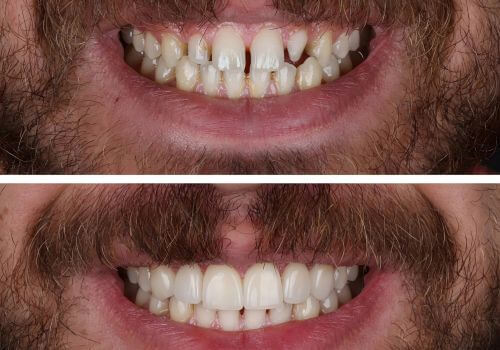
Dental Bonding for Smaller Cosmetic Changes
Dental bonding can be an option when a tooth needs a relatively small change in shape or appearance. During treatment, tooth-colored composite resin is applied to the tooth, carefully shaped, and hardened. The material can then be polished to blend with the surrounding tooth structure.
Bonding may be used to improve the appearance of small chips, close certain minor spaces, reshape an irregular tooth, or make other modest cosmetic adjustments. Compared with porcelain veneers, bonding often requires less alteration of the natural tooth structure.
Composite resin does not have exactly the same properties as natural enamel or porcelain, however. It can stain, wear, or chip over time, so the location of the tooth, your bite, and your habits are important considerations when deciding whether bonding is a good option.
Clear Aligners for a Straighter Smile
When tooth position is the primary concern, clear aligner therapy may provide another approach to improving the smile. Clear aligners use a planned series of removable trays to gradually move teeth into different positions.
They can be effective for many types of spacing, crowding, and alignment concerns, but they are not appropriate for every orthodontic problem. An examination and appropriate diagnostic records are necessary to determine whether clear aligners or another orthodontic approach would be more suitable.
Unlike procedures that simply change the visible surface of a tooth, orthodontic treatment actually changes tooth position. That distinction can be important when deciding between veneers, bonding, clear aligners, or a combination of treatments.
Dental Implants for Missing Teeth
Although dental implants are primarily considered a restorative treatment, they can play an important role in a smile transformation when teeth are missing. A dental implant is placed in the jawbone and can support a crown or other dental prosthesis designed to replace missing teeth.
According to the American Academy of Periodontology, dental implants can be used to replace a single tooth, several teeth, or support a full set of replacement teeth. Whether someone is a candidate depends on several factors, including oral health, available bone, medical history, and the location being treated.
Because implant treatment involves surgery and requires time for healing, it is different from less invasive cosmetic procedures such as whitening or bonding. Your dentist can explain whether implants or another tooth-replacement option makes sense for your situation.
Combining Cosmetic Dentistry Procedures in a Smile Makeover
Sometimes one procedure is enough to achieve the change a patient wants. In other cases, several concerns may need to be addressed. A smile makeover is an individualized treatment plan that combines appropriate cosmetic and restorative procedures to work toward a patient's overall goals.
For example, orthodontic treatment might be completed before whitening or veneers, or whitening might be performed before a restoration is created so its shade can be matched appropriately. Planning treatments in the right sequence can help preserve healthy tooth structure and create a more cohesive result.
This is one of the most important benefits of approaching cosmetic dentistry as a personalized process rather than choosing a procedure based solely on a particular appearance. Your dentist can evaluate your oral health, discuss what you would like to change, and explain the advantages and limitations of the available options.
What Are the Benefits of Cosmetic Dentistry?
Cosmetic dentistry benefits vary depending on the procedure and the patient's goals. Treatment may improve tooth color, create more balanced proportions, address minor imperfections, replace missing teeth, or improve alignment. For many people, making a change they have wanted for years can also help them feel more comfortable with the appearance of their smile.
However, cosmetic dentistry is highly individualized. A treatment that works beautifully for one person may not be the most conservative or appropriate choice for another. Healthy teeth and gums should remain the foundation of any cosmetic treatment plan.
Finding the Right Cosmetic Dentistry Treatment for Your Smile
If you are considering cosmetic dentistry, you do not need to know exactly which procedure you want before talking with your dentist. Starting with the change you would like to see can be more helpful. From there, your dentist can evaluate your teeth, gums, bite, and overall oral health and explain which options may realistically accomplish your goals.
Whether you are interested in a subtle improvement or several changes, a personalized treatment plan can help you understand the possibilities, limitations, and steps involved. Cosmetic dentistry is not about creating the same smile for everyone. It is about finding an approach that complements your features while preserving your oral health whenever possible.
If you have questions, we would love to answer them for you. Please give us a call at the office at (204) 817-6768, or you can email us at [email protected]. Our staff would love to talk with you!
Don't forget to follow us on social media Facebook, Instagram.