
When your child becomes fussy, starts chewing on everything in sight, or complains that their mouth hurts, it can be difficult to know what's causing the discomfort. For babies and toddlers, the pain may simply be part of the normal teething process. In other cases, it could be a toothache caused by tooth decay, an injury, or another dental concern that requires professional treatment.
Although teething and toothaches can share some symptoms, they have different causes and often require different approaches. Learning how to recognize the signs can help you keep your child comfortable while ensuring they receive dental care when it's needed.
What Happens During Teething?
Teething is a normal stage of childhood development that typically begins around 6 months of age, although every child develops at their own pace. Most children continue getting new primary teeth until approximately age 3.
As each tooth moves through the gum tissue, it creates pressure that can lead to temporary discomfort. Some children experience only mild irritation, while others become noticeably fussier for a few days before and after a tooth erupts.
Common signs of teething include increased drooling, swollen or tender gums, chewing on fingers or toys, irritability, and temporary changes in sleeping or eating habits.
The American Academy of Pediatric Dentistry notes that teething symptoms are generally mild and short-lived. While some children may have a slight increase in temperature, teething alone is not considered a cause of high fever. If your child develops a significant fever or appears seriously ill, another cause should be considered.
What Causes a Toothache in Young Children?
Unlike teething, a toothache is usually a sign that something is affecting the health of a specific tooth or the surrounding tissues. Toothaches can occur in both baby teeth and permanent teeth and should not be ignored.
Common causes of tooth pain in children include:
- Tooth decay or cavities
- Dental injuries from falls or sports
- Cracked or chipped teeth
- Food trapped between teeth
- Gum infections
- Dental abscesses or other infections
Because young children may struggle to describe their discomfort, parents often notice changes in behavior before hearing complaints about pain. A child may avoid chewing on one side, refuse certain foods, cry while eating, or wake during the night because of discomfort.
Teething vs. Toothache: How to Tell the Difference
While both conditions can cause fussiness and mouth discomfort, several clues can help distinguish between normal teething and a dental problem.
| Teething | Toothache |
|---|---|
| Usually affects several areas of the gums over time | Often involves one specific tooth or location |
| Symptoms last a few days for each erupting tooth | Pain may continue or gradually worsen |
| Relieved by chewing on cold teething toys | Pain often returns quickly after temporary relief |
| Swollen gums without significant facial swelling | May include swollen gums, facial swelling, or visible tooth changes |
| Mild irritability is common | May interfere with eating, sleeping, or normal activities |
If your child's discomfort seems to be centered around one tooth, continues for several days, or becomes more severe, it's a good idea to schedule a dental evaluation.
How to Comfort a Child Who Is Teething
Fortunately, most teething discomfort can be managed with simple home care measures. The goal is to reduce pressure on the gums while keeping your child comfortable.
You may find relief by offering chilled teething rings, gently massaging your child's gums with a clean finger, or providing cool foods if they are already eating solids. Continue cleaning your child's gums and newly erupted teeth each day to establish healthy oral hygiene habits early.
If your pediatrician or pediatric dentist recommends medication, always follow dosing instructions carefully and use products that are appropriate for your child's age.
Avoid teething products that contain ingredients not recommended for infants and young children, and never place frozen objects directly on the gums, as extreme cold can damage delicate tissues.
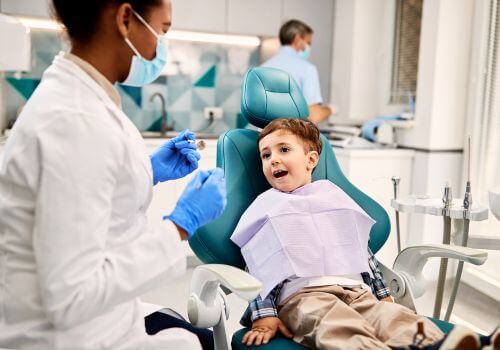
When Should You Call a Pediatric Dentist?
Although teething is a normal part of development, certain symptoms should prompt a dental examination.
Contact your pediatric dentist if your child has:
- Pain that lasts more than a few days without improvement
- Swelling of the gums, face, or jaw
- A loose or injured tooth following a fall
- Visible cavities or discoloration
- Difficulty eating because of pain
- Persistent bad breath or drainage around a tooth
It is also important to seek medical care if your child develops a high fever, significant facial swelling, or appears unusually lethargic, as these symptoms are not typical of normal teething and may indicate an infection or another medical condition.
Protecting Your Child's Smile From the Start
Regular dental visits play an important role in preventing many childhood dental problems. Dentists recommend establishing a dental home by your child's first birthday or within six months after the first tooth erupts.
Routine examinations allow your dentist to monitor tooth development, identify concerns early, and provide guidance on brushing, nutrition, fluoride, and healthy habits as your child grows.
Knowing the difference between teething and a toothache helps you respond appropriately when your child experiences mouth discomfort. While teething is usually temporary and manageable at home, persistent or localized tooth pain deserves professional evaluation. When in doubt, your pediatric dentist can help determine the cause and recommend the best treatment to keep your child's smile healthy.
If you have questions, we would love to answer them for you. Please give us a call at the office at (204) 817-6768, or you can email us at [email protected]. Our staff would love to talk with you!
Don't forget to follow us on social media Facebook, Instagram.