
If your teeth seem a little different than they did a few years ago, you may not be imagining it. Teeth can shift positions over time, which can sometimes lead to dental crowding, gaps between teeth, or changes in how your upper and lower teeth align. Even if you've had braces or clear aligners in the past, you might start to notice your teeth gradually moving again.
Some tooth movement occurs naturally over time, while more noticeable or sudden changes can signal an underlying dental problem that needs attention. Understanding why your teeth are shifting can help you determine whether the change is expected or whether it's time to schedule a dental evaluation.
1. Your Teeth Can Shift as You Age
Teeth are not permanently fixed in exactly the same position throughout your lifetime. They are supported by bone, periodontal ligaments, gums, and other structures that can change over time. Forces from biting and chewing, changes in the supporting tissues, and other age-related factors can all influence tooth position.
One common change is increased crowding of the lower front teeth. Teeth that once appeared relatively straight may begin to overlap or rotate slightly. This can occur even in people who never had orthodontic treatment.
If you previously had braces or clear aligners, another possibility is orthodontic relapse. Teeth have a tendency to move after orthodontic treatment, which is why retainers are such an important part of maintaining the results. According to the American Association of Orthodontists, retainers help preserve tooth position after active orthodontic treatment, and long-term retainer wear may be necessary to maintain alignment.
If your retainer no longer fits comfortably or your teeth have noticeably changed position, don't force the appliance into place. Your dentist or orthodontist can evaluate the changes and determine whether you need a new retainer or additional treatment.
2. Missing Teeth Can Allow Neighboring Teeth to Move
When a permanent tooth is lost or removed, the resulting space can affect more than the appearance of your smile. Teeth next to an open space may gradually tilt or drift toward it, while a tooth in the opposing arch may also change position because it no longer has its usual biting partner.
These changes don't necessarily happen immediately. Tooth movement following tooth loss can develop gradually, sometimes making it easy to overlook until your bite or the spaces between your teeth begin to look or feel different.
Depending on the location of the missing tooth and your individual oral health, your dentist may discuss replacement options such as a dental implant, bridge, or removable partial denture. Not every missing tooth requires the same treatment, so the best approach depends on factors such as your bite, bone health, remaining teeth, and overall treatment goals.
3. Gum Disease Can Cause Teeth to Become Loose or Shift
More noticeable tooth movement can sometimes be related to periodontal disease. Periodontitis is an advanced form of gum disease that damages the tissues and bone responsible for supporting the teeth. As that support is lost, teeth may become mobile or change position.
Periodontal disease can sometimes create new or widening spaces between teeth, changes in the bite, or teeth that appear to be moving outward. Unlike minor age-related movement, shifting associated with periodontal disease requires professional evaluation and treatment of the underlying condition.
Other signs that should prompt a dental evaluation include:
- Gums that bleed easily when brushing or flossing
- Red, swollen, or tender gums
- Gums that appear to be pulling away from the teeth
- Persistent bad breath
- New or widening spaces between teeth
- Loose permanent teeth
- A noticeable change in the way your teeth fit together when you bite
Periodontal treatment cannot simply be replaced by straightening the teeth. If gum disease is contributing to tooth movement, controlling the disease and stabilizing the supporting structures is an important priority before considering cosmetic or orthodontic correction.
4. Teeth Grinding Can Affect Your Teeth and Bite
Bruxism is the term used for grinding or clenching the teeth. It can occur while you're awake or during sleep, and some people aren't aware that they do it until a dentist notices signs of wear.
Bruxism is strongly associated with problems such as worn enamel, chipped or fractured teeth, tooth sensitivity, and discomfort in the jaw muscles. Heavy or repeated forces may also complicate existing dental or periodontal problems. However, grinding should not automatically be assumed to be the reason your teeth are shifting. A dental examination is needed to determine what is actually causing a change in alignment.
If your dentist identifies signs of bruxism, treatment depends on your symptoms and contributing factors. In some situations, a custom oral appliance may be recommended to help protect the teeth from damage caused by grinding or clenching. Other contributing factors, including certain sleep conditions or medications, may require evaluation by another healthcare professional.
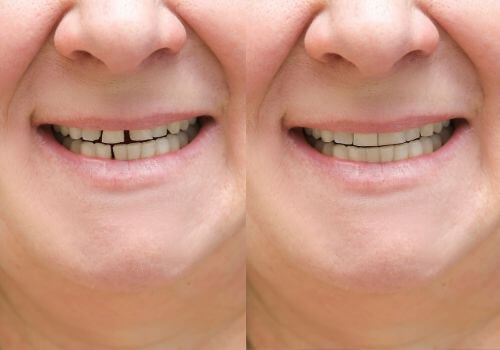
Why Am I Developing Dental Crowding or Spaces Between My Teeth?
Dental crowding occurs when teeth do not have enough room to maintain their ideal positions. Although crowding is often associated with childhood and adolescence, changes in alignment can continue during adulthood. Lower front teeth are particularly prone to becoming more crowded with age.
New spaces between teeth can have several possible causes as well. A missing tooth may allow adjacent teeth to move, while periodontal bone loss can alter the support around teeth and contribute to spacing. In other situations, a space may simply reflect gradual changes in tooth position.
Because similar-looking changes can have very different causes, appearance alone doesn't tell the whole story. If you notice new dental crowding or spaces between teeth, a dentist can evaluate your gums, supporting bone, bite, tooth position, and dental history to determine what may be happening.
Can Teeth Shift After Braces or Clear Aligners?
Yes. Orthodontic treatment moves teeth into new positions, but the surrounding tissues need time to adapt after active treatment ends. Even after that period, natural changes can continue throughout life. Retainers are used to help maintain the position achieved through orthodontic treatment.
Skipping retainer wear for an extended period can allow teeth to move. How much movement occurs varies considerably from person to person. Some people notice only subtle changes, while others develop more obvious crowding, rotations, or spaces.
If you've stopped wearing your retainer and notice movement, scheduling an evaluation sooner rather than later can be helpful. Minor relapse may have different treatment options than more extensive movement, and your dentist or orthodontist can explain what is appropriate for your situation.
When Should You See a Dentist About Teeth Shifting?
Gradual changes in tooth position aren't always an emergency, but new movement is worth mentioning at your regular dental appointments. More significant or rapid shifting deserves closer attention, particularly when it occurs along with loose teeth, bleeding gums, pain, swelling, or changes in your bite.
Your dentist can look beyond the alignment itself to determine whether your teeth are healthy and adequately supported. Depending on the cause, treatment may focus on periodontal care, replacing a missing tooth, protecting teeth from excessive wear, orthodontic treatment, or simply monitoring minor changes over time.
Keeping Your Teeth Healthy and Stable
While you can't prevent every change that happens to your smile over a lifetime, maintaining good oral health can help protect the structures that support your teeth. Daily brushing and interdental cleaning, regular dental examinations, treatment of gum disease, and following instructions for retainers or other dental appliances all play an important role.
Most importantly, don't assume that shifting teeth are simply a cosmetic concern. New dental crowding, spaces between teeth, or changes in your bite can sometimes provide clues about what's happening beneath the surface. Identifying the cause gives your dental team the opportunity to address underlying problems and help you preserve a healthy, comfortable smile.
If you have questions, we would love to answer them for you. Please give us a call at the office at (204) 817-6768, or you can email us at [email protected]. Our staff would love to talk with you!
Don't forget to follow us on social media Facebook, Instagram.