
Healthy gums are the foundation of a healthy smile. While many people focus on keeping their teeth free of cavities, gum health is just as important. When plaque and bacteria build up along and below the gumline, they can lead to gum disease, a common condition that can damage the tissues supporting your teeth.
One of the most effective treatments for managing gum disease is scaling and root planing. Often referred to as a deep cleaning, this non-surgical procedure removes harmful bacteria and helps create an environment where the gums can heal. Understanding how scaling and root planing works and why it may be recommended can help you take an active role in protecting your oral health.
What Is Scaling and Root Planing?
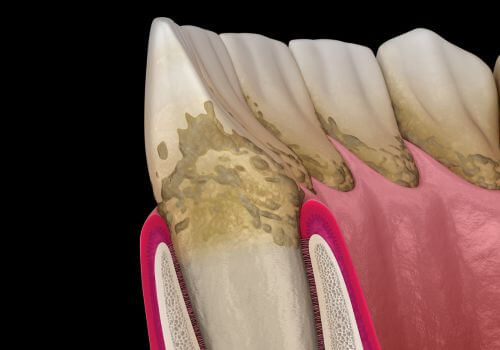
Scaling and root planing is a deep cleaning procedure used to treat gum disease. Unlike a routine dental cleaning, which focuses on removing plaque and tartar from above the gumline, scaling and root planing targets bacteria and deposits that have accumulated below the gums.
When plaque is not removed through daily brushing, flossing, and professional cleanings, it can harden into tartar. Over time, bacteria associated with tartar buildup can cause inflammation, infection, and the formation of periodontal pockets between the teeth and gums. Scaling and root planing helps remove these irritants and supports the healing process.
Scaling
During the scaling portion of treatment, your dental professional removes plaque, tartar, and bacterial deposits from the surfaces of the teeth and beneath the gumline. Specialized hand instruments or ultrasonic devices may be used to thoroughly clean the affected areas.
Root Planing
After scaling is complete, the roots of the teeth are carefully smoothed. Root planing removes residual bacteria and rough areas where plaque can accumulate. Smoother root surfaces also encourage the gums to reattach more closely to the teeth, helping reduce periodontal pocket depth.
Why Might You Need Scaling and Root Planing?
Your dentist may recommend scaling and root planing if signs of gum disease are present. Gum disease often develops gradually, and many patients do not realize there is a problem until symptoms become more noticeable.
Common signs that may indicate the need for treatment include:
- Red, swollen, or tender gums
- Bleeding during brushing or flossing
- Persistent bad breath
- Gum recession
- Loose teeth
- Deep pockets around the teeth
- Changes in the way teeth fit together when biting
Addressing gum disease early can help prevent more extensive damage to the gums, bone, and supporting structures of the teeth.
Benefits of Scaling and Root Planing
Helps Stop the Progression of Gum Disease
One of the primary goals of scaling and root planing is to remove the bacteria responsible for gum inflammation and infection. By reducing the bacterial load below the gumline, treatment can help prevent gum disease from progressing to more advanced stages.
Reduces Inflammation and Bleeding
Inflamed gums often appear red, swollen, and prone to bleeding. As bacteria and tartar are removed, inflammation typically decreases, allowing the gums to become healthier and more comfortable.
Supports Gum Reattachment
Root planing helps create a cleaner, smoother surface on the tooth roots. This can encourage the gums to reattach more closely to the teeth and reduce the depth of periodontal pockets.
Helps Protect Against Tooth Loss
Advanced gum disease is one of the leading causes of tooth loss in adults. By treating the underlying infection and supporting healthier gums, scaling and root planing can help preserve the structures that keep teeth stable.
Improves Daily Oral Hygiene
When gums are healthier and inflammation is reduced, brushing and flossing become more effective. Maintaining good oral hygiene after treatment helps support long-term periodontal health.

What to Expect During Treatment
Scaling and root planing is typically performed over one or more appointments, depending on the extent of treatment needed. To keep you comfortable, your dentist may recommend local anesthesia to numb the treatment area.
During the procedure, plaque, tartar, and bacteria are removed from around the teeth and below the gumline. The roots are then smoothed to help discourage future bacterial buildup.
Most patients are able to return to their normal activities shortly after treatment. Some temporary sensitivity, mild soreness, or gum tenderness may occur as the tissues heal.
Caring for Your Gums After Scaling and Root Planing
Successful treatment does not end when the procedure is complete. Ongoing home care and professional dental visits play an important role in maintaining results.
Your dentist may recommend:
- Brushing twice daily with a soft-bristled toothbrush
- Flossing or using other interdental cleaning tools every day
- Using antimicrobial rinses when appropriate
- Attending recommended periodontal maintenance appointments
- Avoiding tobacco products, which can interfere with healing
Consistent care helps prevent bacteria from reaccumulating and supports long-term gum health.
Investing in Long-Term Gum Health
Scaling and root planing is one of the most effective non-surgical treatments for gum disease. By removing bacteria, reducing inflammation, and supporting the healing of gum tissues, this procedure can help protect your smile and improve your oral health.
If you have noticed signs of gum disease or your dentist has recommended scaling and root planing, early treatment can make a meaningful difference. Healthy gums provide the foundation for healthy teeth, making gum care an important part of maintaining your smile for years to come.
If you have questions, we would love to answer them for you. Please give us a call at the office at (204) 817-6768, or you can email us at [email protected]. Our staff would love to talk with you!
Don't forget to follow us on social media Facebook, Instagram.